Patchwork Christmas Tree Preppy Xmas
First Impressions: Cheerful, Clean, and Craft-Ready
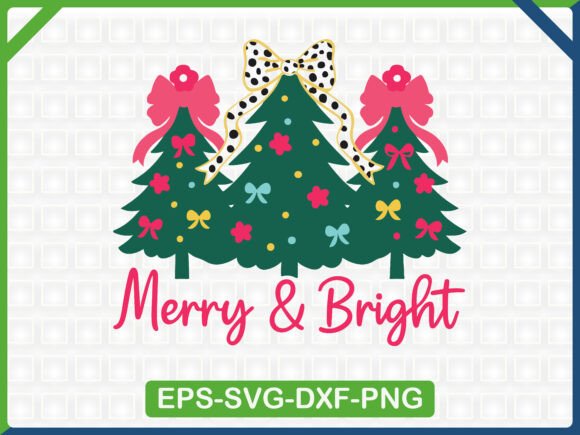
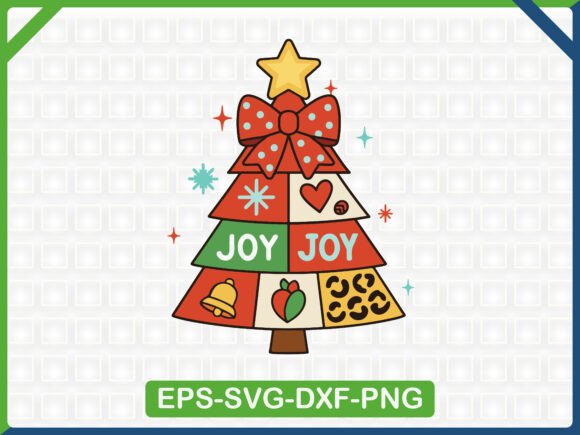
When I opened Patchwork Christmas Tree Preppy Xmas, I didn’t see just another holiday graphic—I saw a design with immediate handmade appeal. It’s got that crisp, joyful energy: layered geometric tree shapes, subtle stitch-like outlines, and a balanced composition that reads clearly at a glance. The “preppy” vibe comes through in its clean lines and rhythmic color blocks—not fussy, not overly cutesy, and definitely not dated. As a designer who’s stitched hundreds of holiday motifs for client projects, I appreciate how this one avoids visual clutter while still feeling rich in personality. It’s the kind of embroidery file that makes you imagine it on a linen tea towel or an organic cotton tote before you’ve even loaded it into your machine.
A Real Project Test: Embroidering It on a Structured Cotton Tote
Last week, I used Patchwork Christmas Tree Preppy Xmas to embroider a set of custom totes for a local boutique’s holiday pop-up. I chose medium-weight natural cotton canvas—sturdy but breathable—and paired it with tear-away + light cutaway stabilizer. The design stitched out cleanly: no thread breaks, no puckering, and the satin-stitch edges held their shape beautifully. What stood out most was how well the patchwork illusion translated in thread—those distinct “fabric” sections read as intentional texture, not flat graphics. Customers responded instantly: “It looks like a quilt!” and “I can *feel* the holiday spirit.” That emotional resonance matters—especially when you’re selling a handmade product as a personalized gift or small shop product.
Where It Shines (and Where It Needs Thought)
Patchwork Christmas Tree Preppy Xmas excels in applications where clarity and charm intersect:
- Sweatshirt embroidery — Its bold silhouette holds up against heavy knit texture without losing definition.
- Embroidered patch — Works beautifully as a sew-on or iron-on applique design; the segmented layout helps hide minor alignment shifts during hooping.
- Baby embroidery — Gentle scale and rounded corners make it safe and sweet on onesies or burp cloths.
- Holiday embroidery for Etsy sellers — It’s distinctive enough to stand out in search results but familiar enough to feel trustworthy to buyers scrolling for last-minute gifts.
- Tote bag design and apron embroidery — The vertical orientation and centered balance suit functional items where legibility and proportion matter.
But be thoughtful with placement. On curved surfaces like caps or baby hats, test the hoop size first—the top branches and star detail may need slight digitizing tweaks for optimal stitch density. Avoid using it full-size on thin fabric (like lightweight rayon tees) without backing reinforcement; the fill stitch areas are generous and could cause show-through. And if you’re stitching on dark fabric, preview your thread colors in a black-and-white mockup first—some lighter pastel tones in the original graphic may need richer thread equivalents to stay visible.
Design Integrity Meets Commercial Practicality
This isn’t just a pretty T-Shirt Designs graphic—it’s a commercially viable embroidery file. As someone who reviews digital embroidery files for craft business use, I look for versatility across product types, and Patchwork Christmas Tree Preppy Xmas delivers. It scales well from 3” patches to 7” pillow covers without collapsing detail. The stitch count feels moderate—not so dense that it overwhelms home machines, not so sparse that it lacks dimension. That balance supports repeat production, whether you’re fulfilling holiday orders or building a seasonal collection for your Etsy shop.
More importantly, it reinforces brand consistency. If your small shop leans into modern rustic, cottagecore, or preppy-minimalist aesthetics, this design strengthens your visual voice—without requiring custom illustration work. It also performs strongly in printable mockups: the contrast between “fabric” sections reads cleanly in flat lay and on-model previews, which boosts buyer engagement and reduces post-purchase questions.
What Every Embroidery Designer Should Check Before Stitching
Before committing to a batch run—or listing a finished product—take these practical steps:
- Run a test on scrap fabric matching your final substrate (e.g., terry cloth for kitchen towels, fleece for blankets).
- Verify thread color contrast—especially for small interior details like star highlights or trunk stitching.
- Inspect corners and tight curves under magnification: running stitch elements should flow smoothly, not bunch.
- Confirm hoop size compatibility with your machine and frame setup—some versions of this design may require a 5” x 7” hoop minimum.
- Review licensing terms carefully. Since the product description mentions use for mugs, posters, and prints, confirm whether commercial embroidery rights are included—or if separate permissions apply for physical finished products.
- Try a grayscale version in your design software: if it loses structure or hierarchy, adjust thread values before stitching.
Final Thought: A Design That Earns Its Place
Patchwork Christmas Tree Preppy Xmas doesn’t shout. It invites. It fits naturally into real embroidery projects—not as a placeholder, but as a considered design asset. Whether you’re stitching nursery decor for a client, prepping holiday inventory for your craft fair booth, or creating limited-run sweatshirts for your small shop, this design adds warmth without sacrificing polish. It respects the craft: clear stitch paths, logical layering, and a visual rhythm that translates across fabric types and product categories. For embroidery designers and creative entrepreneurs who value both aesthetic integrity and production reliability, it’s not just another holiday graphic—it’s a quietly confident choice.